In crushing production lines, box hammer crushers and impact crushers are key for primary (coarse crushing) and secondary (medium-fine crushing) stages. Here’s a concise guide to their differences and selection:
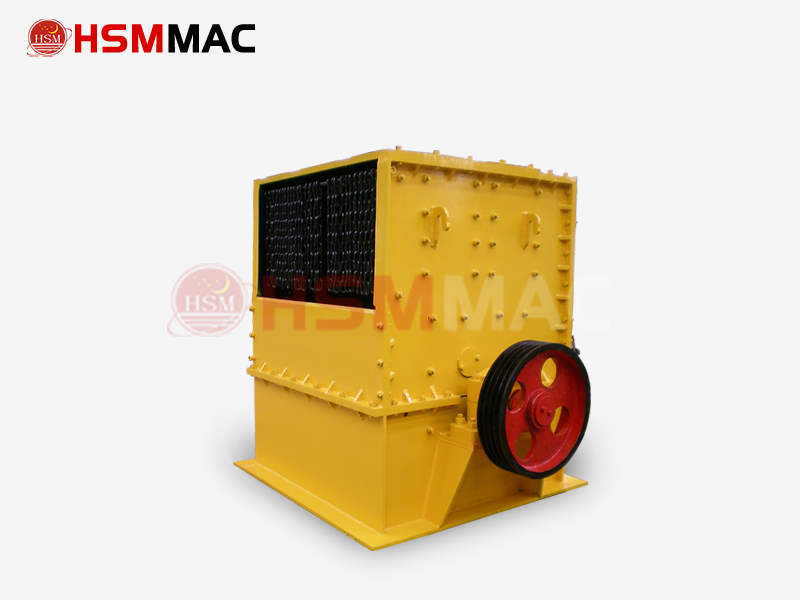
Box Hammer Crusher
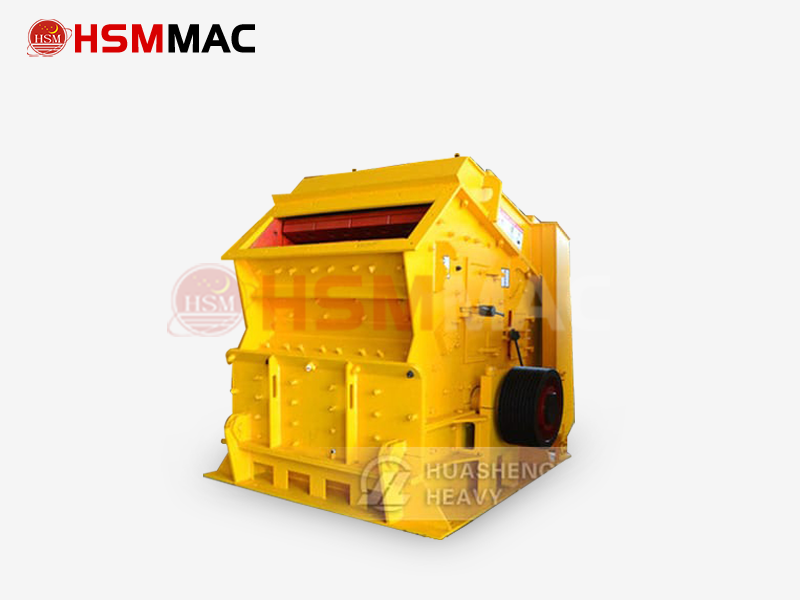
Impact Crusher
Core Traits & Adaptation
Box hammer crushers shine as primary crushers. They rely on heavy hammer impact and extrusion, handling medium-hard materials like granite and basalt with large feed sizes (up to 1200mm). Featuring high capacity, low maintenance, and one-step forming capability, they’re perfect for small-to-medium quarries or projects needing simplified processes (saving secondary crushing costs).
Impact crushers excel as secondary crushers. Their working principle combines impact and material rebound, producing excellent cubic particles with low flakiness. Suitable for medium-soft materials such as limestone and shale, they offer flexible output adjustment—ideal for high-quality aggregate needs (e.g., highway or concrete production).
Quick Selection Tip
Prioritize large feed sizes, hard materials, or cost-saving simplified processes? Choose a box hammer crusher for primary crushing. Need premium particle shapes for high-standard projects? Opt for an impact crusher for secondary crushing!