In mineral processing and construction waste recycling, impact crushers and roll crushers are widely used but often confused. This article simplifies their core differences to help you pick the right equipment for your project.
First, their working principles differ greatly. Impact crushers use high-speed rotating hammers/impact plates to hit materials, which then collide with counterattack plates and each other until reaching the desired size—relying on dynamic impact.
Roll crushers, by contrast, adopt a gentle squeezing principle. Materials pass through the gap between two counter-rotating rolls (smooth or toothed) and are crushed by static pressure. Some also exert a shearing effect on tough materials, with no intense impact involved.
In structural design, impact crushers have more components: frame, rotor (core part with hammer heads), counterattack plate, and hydraulic adjustment devices for easy maintenance. Roll crushers are simpler, with just frame, rolls, transmission system, and gap adjustment mechanism—more compact for small spaces.
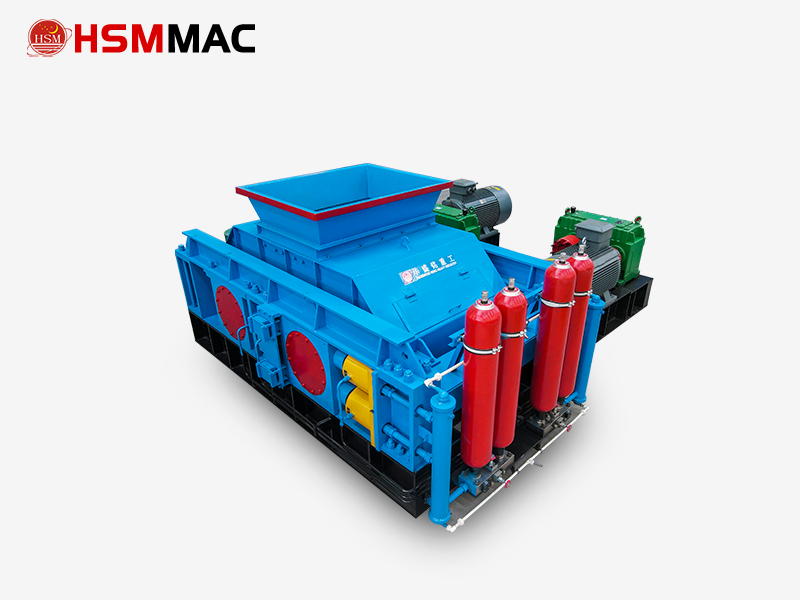
Roll Crushers
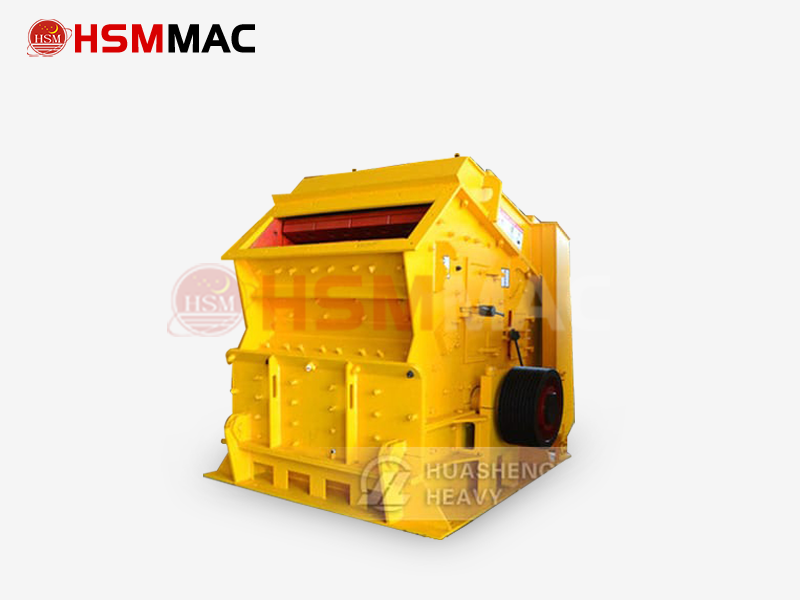
Impact Crusher
Their performance and applications are distinct too. Impact crushers boast high crushing ratio and cubic-shaped finished products, ideal for brittle materials (limestone, construction waste) in highway/railway projects. But they wear easily when handling hard, abrasive materials.
Roll crushers excel at humid/viscous materials (coal, clay) without blockage, with low noise and vibration for indoor/environmentally sensitive areas. However, their crushing ratio is lower (suitable for coarse/medium crushing) and they struggle with high-hardness materials (granite).
On operation and maintenance costs, impact crushers have higher costs due to frequent replacement of worn parts (hammer heads, counterattack plates). Roll crushers have fewer vulnerable parts and lower maintenance costs, though long-term crushing of abrasive materials raises roll replacement costs.
To conclude, choose impact crushers for brittle materials needing high crushing ratio and good particle shape. Opt for roll crushers for humid/viscous materials requiring low noise and maintenance. Consider your material type, product needs, and budget for the best selection.