Hydraulic roller crushers have become the gold standard for precision, efficiency, and reliability in crushing equipment. Integrating advanced hydraulic systems into classic roll crusher design, they solve pain points like inconsistent output, high downtime, and poor adaptability to complex materials—outperforming traditional mechanical models in mining, cement production, and sand-making lines.
What Is a Hydraulic Roller Crusher?
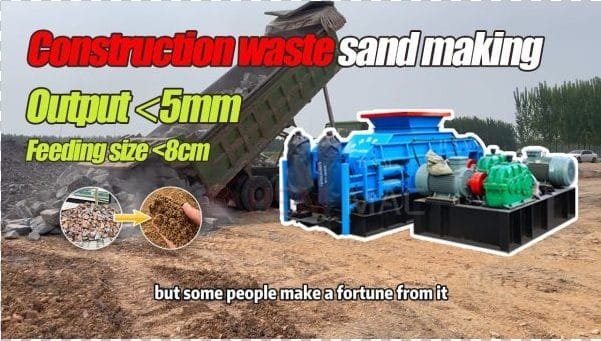
Hydraulic Roller Crusher
Core Components & Working Principle
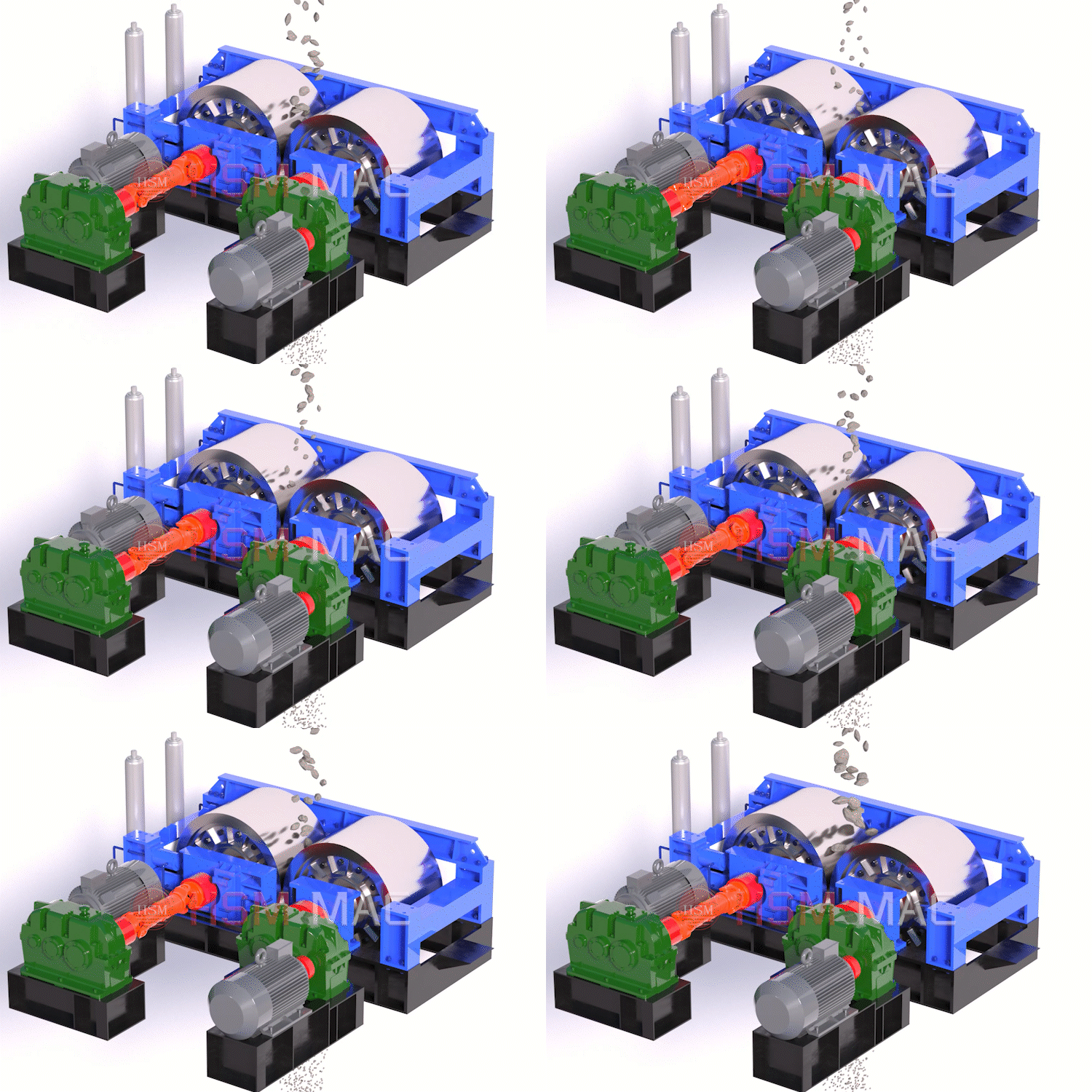
Working principle
Hydraulic System: The “brain” (cylinders, pumps, valves) adjusts roller gap (1–20mm) with ±0.1mm precision and enables automatic tramp relief (ejecting uncrushable objects like metal).
Crushing Rollers: High-chromium alloy steel or tungsten carbide-welded surfaces (smooth for brittle ores, grooved for sticky feeds).
Drive System: Motor + reducer + coupling, delivering 30–150 t/h processing capacity.
Lubrication & Cooling: Centralized lubrication and cooling systems reduce friction and prevent overheating.
Key Advantages (vs. Mechanical Models)
Precision Output: Automated gap adjustment ensures uniform 0.3–20mm particles, ideal for strict quality requirements (e.g., concrete aggregate).
Overload Protection: Instant hydraulic retraction cuts downtime by 60% when encountering tramp material.
Energy Efficiency: 15–25% lower power consumption; 50% longer roller wear life reduces maintenance costs.
Material Versatility: Handles ≤35% moisture materials without clogging; crushes materials with compressive strength up to 250 Mpa (limestone, cement clinker, coal).
Easy Operation: PLC control enables remote monitoring and one-click adjustment, reducing labor needs.
Top Applications
Mining: Medium-fine crushing of iron ore, copper ore, quartz for beneficiation.
Cement Production: Crushing clinker/limestone into 3–10mm powder for grinding.
Sand-Making: Processing river pebbles/granite/construction waste into 0.5–5mm artificial sand.
Coal Processing: Low over-crushing rate for raw coal/coal gangue (power plants, coal preparation plants).
Chemical Industry: Crushing salt, gypsum, fertilizers into uniform particles.
How to Maximize Performance
Material Preparation: Control feed size (≤100mm) and remove metal impurities.
Regular Maintenance: Monthly hydraulic oil checks; replace roller skins when wear exceeds 10mm.
Parameter Tuning: Adjust roller speed (50–300 rpm) – slower for hard ores, faster for brittle materials.
Environment Control: Keep operating temperature 5–40°C; install dust collectors.