Choosing the right primary crusher is key to operational efficiency. The box hammer crusher stands out for its simplicity, high crushing ratio, and material adaptability. Below is a breakdown of its working principle, key benefits, applications, and selection tips to guide your project decisions.
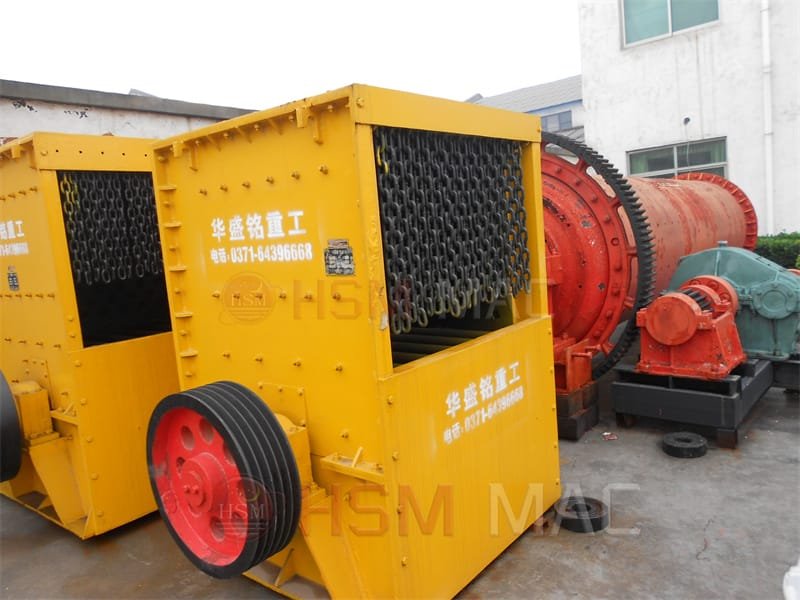
box hammer crusher
What Exactly Is a Box Hammer Crusher?
A specialized primary crusher, it features a compact box-shaped design integrating feeding, crushing, and screening. Unlike jaw/gyratory crushers (relying on compression), it uses high-speed impact: rotating rotor hammers smash materials, which then bounce to impact plates for secondary crushing, and are screened by a built-in sieve. This all-in-one design eliminates extra equipment, saving space and simplifying processes.
Core Advantages of Box Hammer Crushers
Widely favored in the industry, it boasts these key advantages for primary crushing:
1. High Crushing Ratio & Uniform Product Size
With a high crushing ratio (10-25), it can crush large raw materials (max feed 1200mm) into 0-40mm finished products in one pass. Impact and rebound crushing ensure uniform, cubical particles—ideal for construction aggregates. It streamlines processes (no multi-stage crushing), reducing equipment/energy use and improving quality.
2. Compact Structure & Easy Installation
Its integrated design saves site space and simplifies installation/transportation. It can be quickly installed on concrete foundations or mobile chassis, cutting commissioning time/costs—perfect for small-to-medium quarries or recycling sites with limited space.
3. Low Operation & Maintenance Costs
With a simple structure and few wearing parts (hammers, impact plates made of wear-resistant materials), it has a long service life and easy part replacement. Automatic controls reduce manual work, and maintenance (wear checks, lubrication, sieve cleaning) is simple—no professional team needed, lowering long-term costs.
4. Strong Adaptability to Raw Materials
Typical Applications of Box Hammer Crushers
Its versatility makes it widely used across industries:
Quarry Aggregate Production: Used in limestone/dolomite/gypsum quarries to produce aggregates for concrete, mortar, and road bases, meeting quality standards.
Construction Waste Recycling: Crushes concrete blocks/bricks into reusable aggregates, promoting waste reuse and reducing pollution.
Mining Industry: Primary crushing of ROM materials (coal, iron ore) with adaptability to varying ore hardness.
Road & Bridge Construction: Provides efficient aggregate crushing, usable on mobile stations for on-site flexibility.
Key Tips for Selecting a Box Hammer Crusher
Consider these factors when choosing a model:
Material Characteristics: Clarify type, max feed size, and moisture. Choose thicker wear-resistant parts for abrasive materials.
Production Requirements: Determine hourly output (50-500 TPH) and desired product size.
Site Conditions: Opt for compact models (limited space) or mobile ones (multi-site use).
Quality & After-Sales: Choose reputable manufacturers; prioritize after-sales support (wear parts, maintenance, training).
Energy Efficiency: Select energy-saving models with optimized rotors.
Consult professional suppliers for on-site surveys and customized advice on selection, installation, and maintenance.
Final Thoughts
Indispensable in mining, construction, and environmental protection, the box hammer crusher boosts efficiency and cuts costs with its compact design, low maintenance, and strong adaptability—ideal for small quarries, recycling plants, and mining projects.
Used a box hammer crusher? Share your experiences or questions in the comments! Follow us for more insights on crushing equipment, industry trends, and project optimization.