As a core construction material, crushed stone is widely used in roads, buildings and pipelines. Amid industry consolidation and price swings, many investors wonder: Is crushed stone processing profitable in 2025? Let’s analyze the key market dynamics and profit drivers.
The Current State of the Crushed Stone Market: Challenges Loom Large
The industry faces significant headwinds. Since 2021, output and prices have declined steadily: 2024 sand and gravel consumption dropped 10.96% year-on-year, and by Q3 2025, the national average crushed stone price fell to ~72.3 yuan/ton, nearly 30% below its peak.
Overcapacity is the root cause. Newly approved capacity in five years reached 8.663 billion tons (5.663 billion tons unused), triggering price wars. In Henan and Zhejiang, some mines barely break even or suffer heavy losses. Even leaders feel the pinch—China Resources Building Materials Technology’s aggregate gross profit margin fell from 38.6% (Q1-Q3 2024) to 25.4% (same period 2025) due to fierce competition.
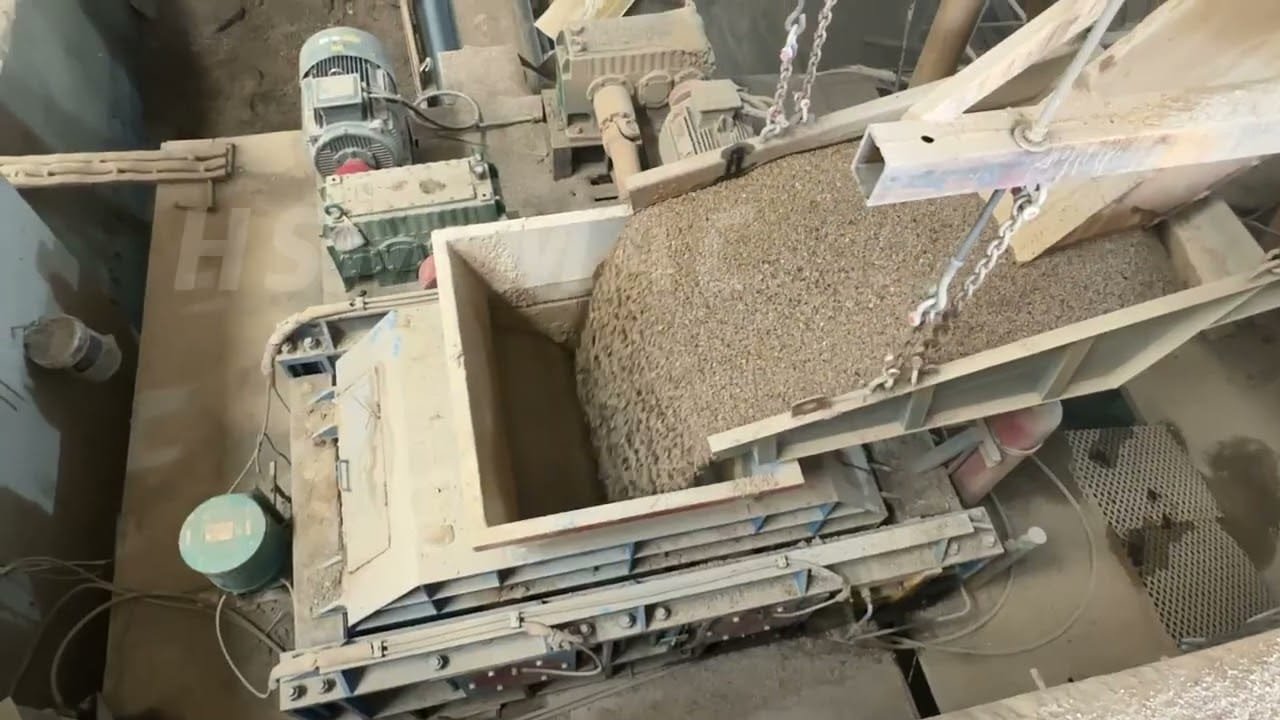
Bright Spots Amid the Gloom: Who Is Still Making Money?
Yet some players still profit, proving that strategic positioning matters more than market cycles.
Cement manufacturers with integrated aggregate businesses lead the way. Even as the cement industry lost money in H1 2024, their aggregate segments maintained high gross profit margins (Shangfeng: 63.62%, Jidong: 50.67%, etc.). They cut costs by using cement production waste rock and leverage existing sales networks.
Policy-driven demand is another boon. The 15th Five-Year Plan’s 5-trillion-yuan underground pipeline project will boost high-quality crushed stone demand. Enterprises offering customized products for such niche markets stand to gain.
Key Factors Determining Profitability: Beyond Market Trends
For those entering or expanding in the sector, three key factors determine profitability:
1. Cost Control: The Lifeline of Profitability
Costs include raw materials, equipment, energy, labor and environmental protection. High-cost mines are being eliminated. Successful firms use energy-saving tech and smart management to cut energy (15-20%) and labor (25-30%) costs.
2. Product Differentiation: Escaping Price Wars
Over 95% of enterprises produce homogeneous products, fueling price wars. Profitable ones focus on high-value-added products (e.g., prefabricated building aggregates). Huaxin Cement, for example, expanded to special mortars, boosting aggregate revenue by 36.96% in 2024.
3. Policy Compliance: Avoiding Operational Risks
Strict environmental regulations raise entry barriers (10-15% of costs go to pollution control). But compliance creates a moat—small substandard mines are phased out, leaving market share for large eco-friendly firms.
Conclusion: Profitability Is Possible for the Prepared
The industry is shifting from scale expansion to value creation. Reckless mining’s easy profits are gone, but firms with cost advantages, differentiated products and policy-demand access can thrive.
For investors: Avoid overcapacity regions; prioritize cement-integrated projects or infrastructure-proximal sites. For existing firms: Upgrade tech, target niches and use recycled aggregates to cut costs.
In short, crushed stone processing remains profitable in 2025—for those who adapt to new market rules. What’s your view? Share in the comments!