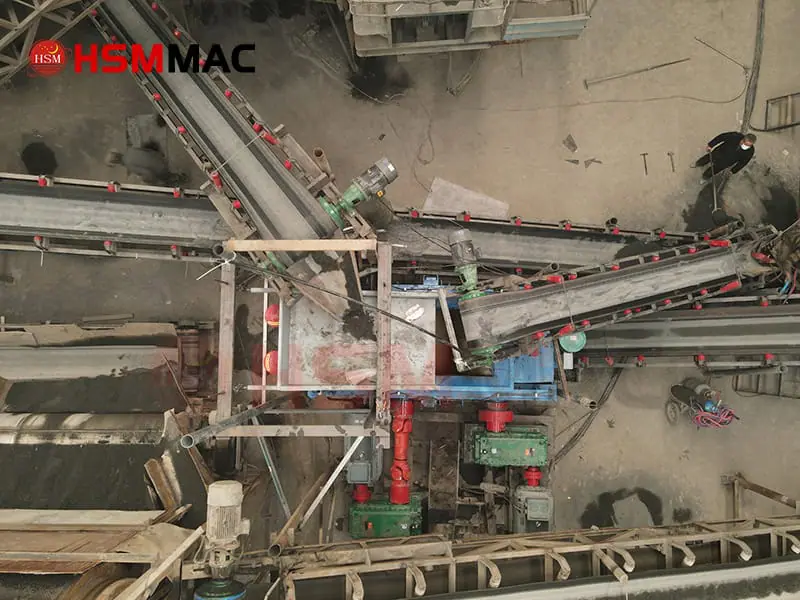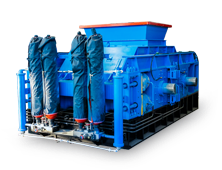
When crushing abrasive iron ore, mine operators frequently ask about the lifespan of double roll crusher roller shells. Rather than quoting a misleading blanket timeline, this article breaks down the four core variables governing shell wear, four reliable indicators for replacement planning, five actionable steps to maximize wear life, and the true total-cost accounting of scheduled roll shell replacements versus high-wear impact machinery.
Let’s be completely candid from the start: this question has no universal answer, and anyone giving you a flat “it lasts X months” figure is being irresponsible. Roller shell lifespan is jointly determined by ore abrasiveness, roller metallurgy, feed conditions, and operating hours, varying by several fold between different mines. However, understanding the factors governing wear, knowing how to identify when replacement is required, and knowing how to extend service life are far more valuable than a generic number.

High-Chromium Alloy Roller Shells for Iron Ore Crushers
1. Four Variables Governing Roller Shell Lifespan
| Wear Variable | Engineering Mechanism | Operational Impact |
|---|---|---|
| 1. Ore Abrasiveness | Silica content and mineral density dictate quartz gouging severity. Magnetite and dense hematite are highly abrasive; limonite and weathered ores are mild. | Identical equipment deployed across two distinct mines can experience a 2–3x difference in shell wear life. |
| 2. Roller Metallurgy | Iron ore processing demands high-chromium alloy metallurgy as a strict engineering standard rather than an optional upgrade. | Standard carbon steels degrade rapidly; any initial savings in metallurgy costs are instantly wiped out by frequent replacement shutdowns. |
| 3. Feed Conditions | Feed lump sizes pushing model limits increase stress; surging or uneven feeding causes localized roller fatigue. | Proper upstream jaw/cone reduction and steady volumetric feeding protect shells from premature localized wear. |
| 4. Operating Hours & Gap Settings | Three-shift continuous operation versus single shifts; forcing roll gaps to extreme minimums to chase fineness. | Over-tightening roll gaps exponentially increases compressive stress and accelerates shell face wear. |
2. Four Reliable Signals Indicating Replacement Time
- Product Gradation Drift: Roll gap settings remain unchanged, but the top size of finished output steadily coarsens as shell wear enlarges the effective inter-roll clearance.
- Throughput Degradation: Under identical feed conditions, hourly processing tonnage slowly declines.
- Visible Grooving or Localized Flattening: Routine visual inspections during scheduled maintenance reveal uneven wear profiles across the active roll width.
- Power Consumption Fluctuations: Diminished crushing efficiency due to worn surfaces alters motor electrical loads.
The professional approach integrates roller surface inspections and product gradation tracking into daily plant maintenance logs. Wear is progressive rather than catastrophic—operators always retain sufficient lead time to schedule replacements without halting production abruptly 【Custom Parameters Available】.
3. Five Actionable Steps to Maximize Roller Lifespan
- 1. Optimize Primary Reduction: Ensure upstream jaw and cone crushers deliver finer, more uniform feed. Smaller feed top sizes drastically reduce mechanical stress on roll shells.
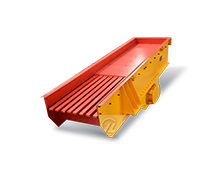
- 2. Maintain Steady Feeding: Utilize vibrating feeders to regulate material flow, preventing massive surge loads and uneven impact zones.
- 3. Enforce Effective Tramp Iron Removal: Rely on upstream magnetic separators and metal detectors to capture tramp iron, reserving hydraulic relief systems as a final safety backup.
- 4. Compensate Gap Settings Progressively: Adjust roll gaps periodically as wear occurs to maintain product sizing specs and prevent uneven localized shell degradation.
- 5. Maintain Detailed Wear Logs: Establish historical wear tracking ledgers to forecast replacement cycles accurately and integrate part swaps into planned plant turnarounds.

Scheduled Roller Shell Replacement & Maintenance
4. Economic Analysis: Total Cost of Ownership
- Component-Level Replacement: Only the roller shells are replaced; heavy machine components such as main roll bodies, drive shafts, bearings, and hydraulic systems remain in service, making replacement a planned, straightforward task.
- Factory-Direct Inventory Support: Huashengming maintains robust safety stock of high-chrome roller shells, ensuring rapid domestic dispatch and reliable international shipping schedules for overseas mining projects.
- Comparative Advantage: Under equivalent iron ore processing conditions, impact-type crushers suffer rapid blow bar, hammer, and impact plate degradation requiring frequent unplanned maintenance. Factoring in total consumable costs per ton alongside downtime losses, double roll crushers represent the superior economic solution for iron ore operations 【Custom Parameters Available】.
Need Replacement High-Chrome Roller Shells or Sizing Advice?
Contact Huashengming Heavy Machinery today for factory-direct inventory, fast dispatch, and customized wear-part solutions tailored to your iron ore mine 【Custom Parameters Available】.
Reference data and international shipping support available for operations across Africa, Southeast Asia, and worldwide!